Operations · Attachments
Request only the file you need, check uploads, limit access, and plan what happens to photos, receipts, and documents afterward.
9 min read

Operations · Intake
Build a short intake that captures the request, a useful reference, urgency, and the next step without excessive personal data or repeated questions.
9 min read
Management · Complaints
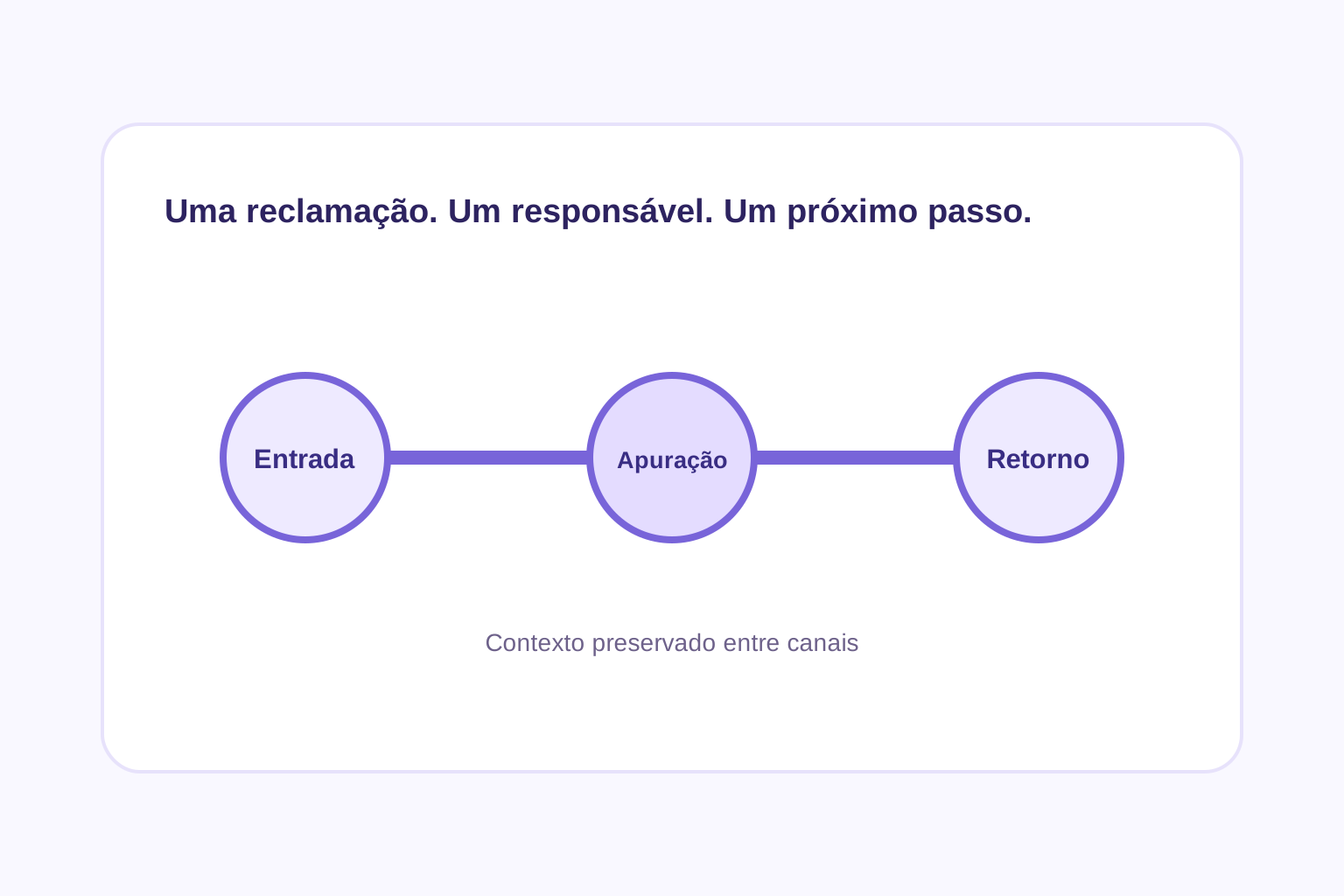
Handle complaints across WhatsApp, email, and public channels with one record, accountable ownership, clear updates, and verifiable closure.
10 min read
AI · Metrics
Measure AI resolution with auditable denominators and separate confirmed outcomes, assumed outcomes, human handoffs, abandonment, and repeat contact.
9 min read
Sales · Quote requests
Manage WhatsApp quote requests with clear ownership, proposal status, realistic deadlines, and follow-up across channels.
11 min read
Management · Shift continuity
Hand over customer conversations between shifts with a clear owner, context, commitments, exceptions, and explicit acceptance.
10 min read

WhatsApp · After hours
Design an away message, a visible queue, ownership and next-shift follow-through without counting automation as a human reply.
10 min read

Management · SLA by channel
Define service SLAs for WhatsApp, Instagram, email, and chat with explicit clocks, calendars, pauses, priorities, and corrective actions.
11 min read
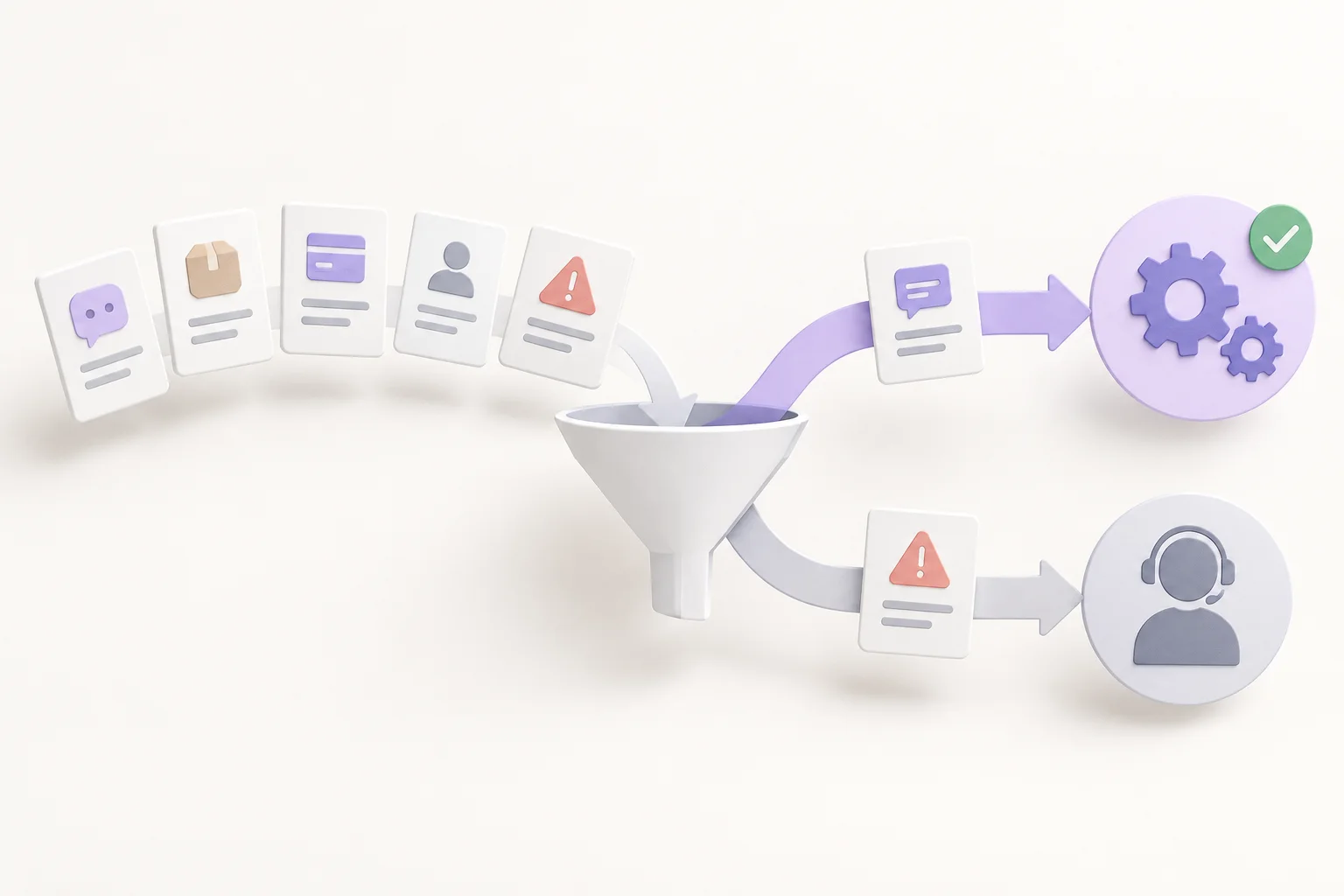
AI · Task selection
Choose the first customer-service tasks to automate with a practical matrix for repetition, risk, evidence, reversibility, and human handoff.
12 min read

Management · Escalation
Design escalation rules around risk, time, and ownership, with context, customer updates, de-escalation, and audit evidence without alert overload.
12 min read

Management · Follow-up
Track customer follow-up commitments with an owner, due time, completion evidence, rescheduling, and reopen rules without duplicate reminders.
11 min read

Management · Backlog
Define backlog, age, states, business hours, buckets, percentiles, reopens, and exclusions without hiding old conversations.
12 min read

Management · Attribution
Connect impressions, clicks, visits, conversations, qualified leads, and completed signups without confusing metrics or invading privacy.
11 min read
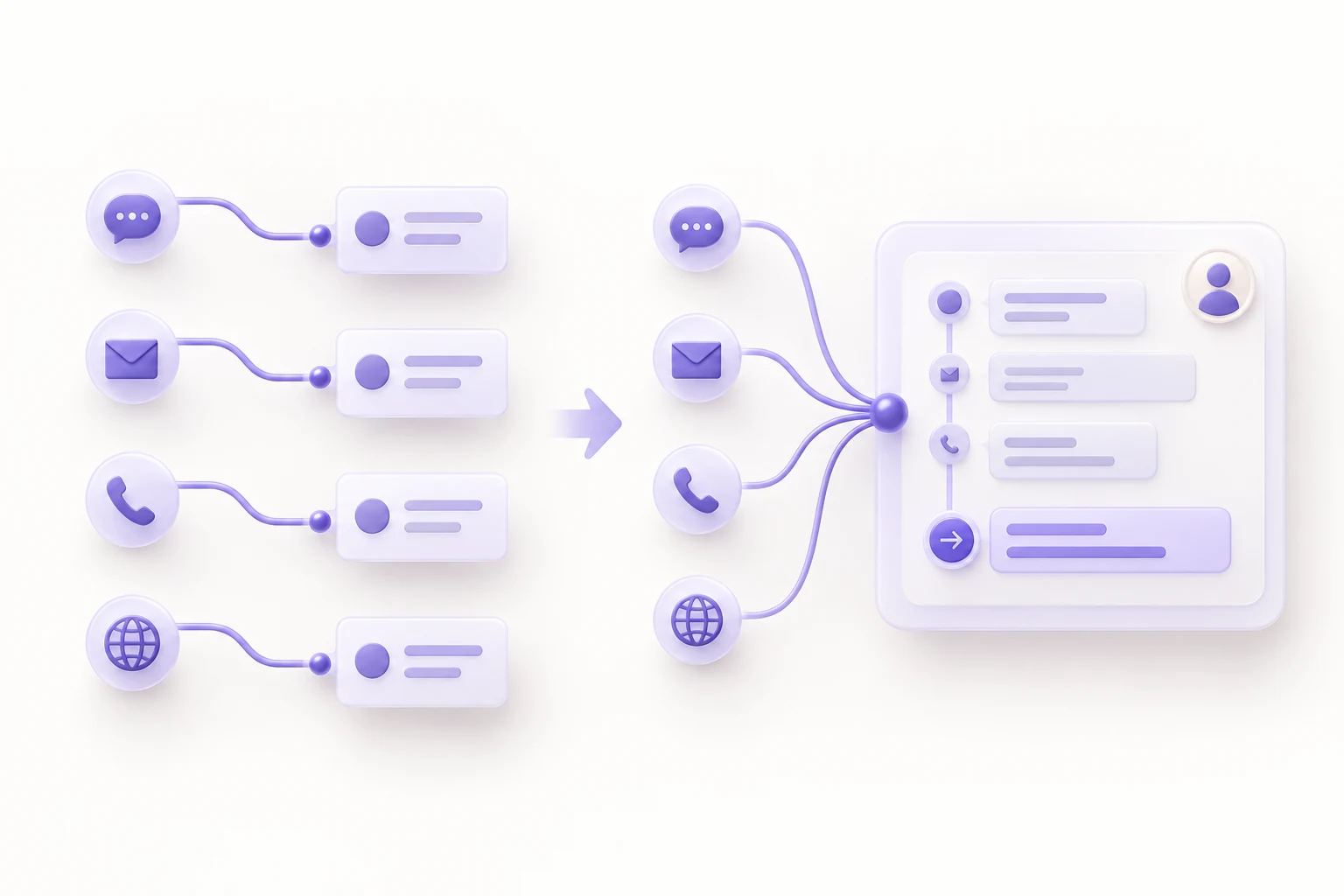
Foundations · Operating model
Understand multichannel versus omnichannel service, compare context, queues, ownership and metrics, and choose a phased implementation path.
10 min read
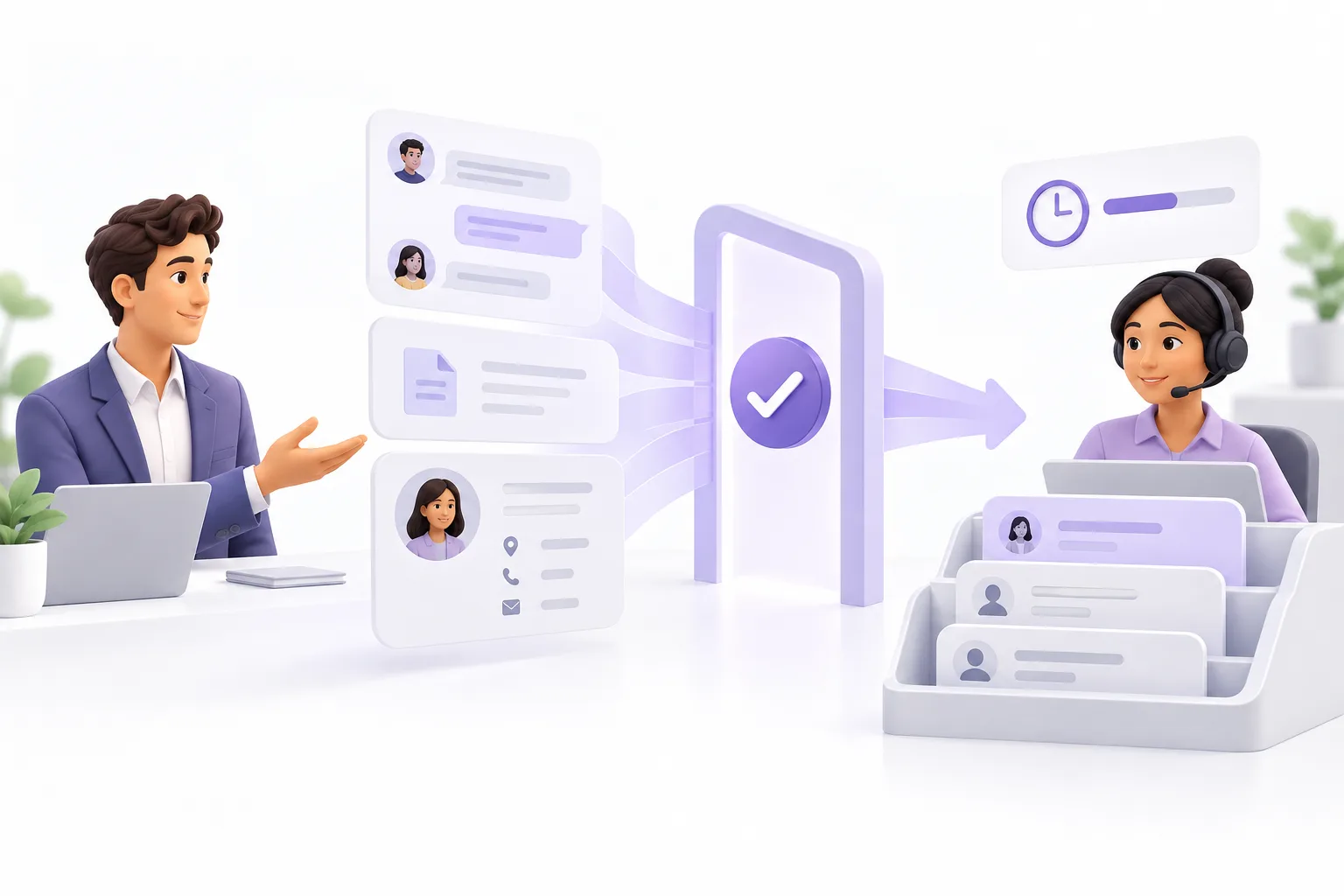
Management · Handoff
Build a sales-to-support handoff with context, ownership, acceptance, deadlines, next actions, and metrics that prevent forgotten promises.
10 min read

WhatsApp · Management
Learn how to measure WhatsApp service with clear definitions for first response, backlog, resolution, repeat contact, transfers, and quality.
10 min read

Vertical playbook · Logistics
Organize customer service for carriers and logistics operations with shipment context, ownership, deadlines, exceptions, and human handoff.
11 min read
Vertical playbook · Networks and locations
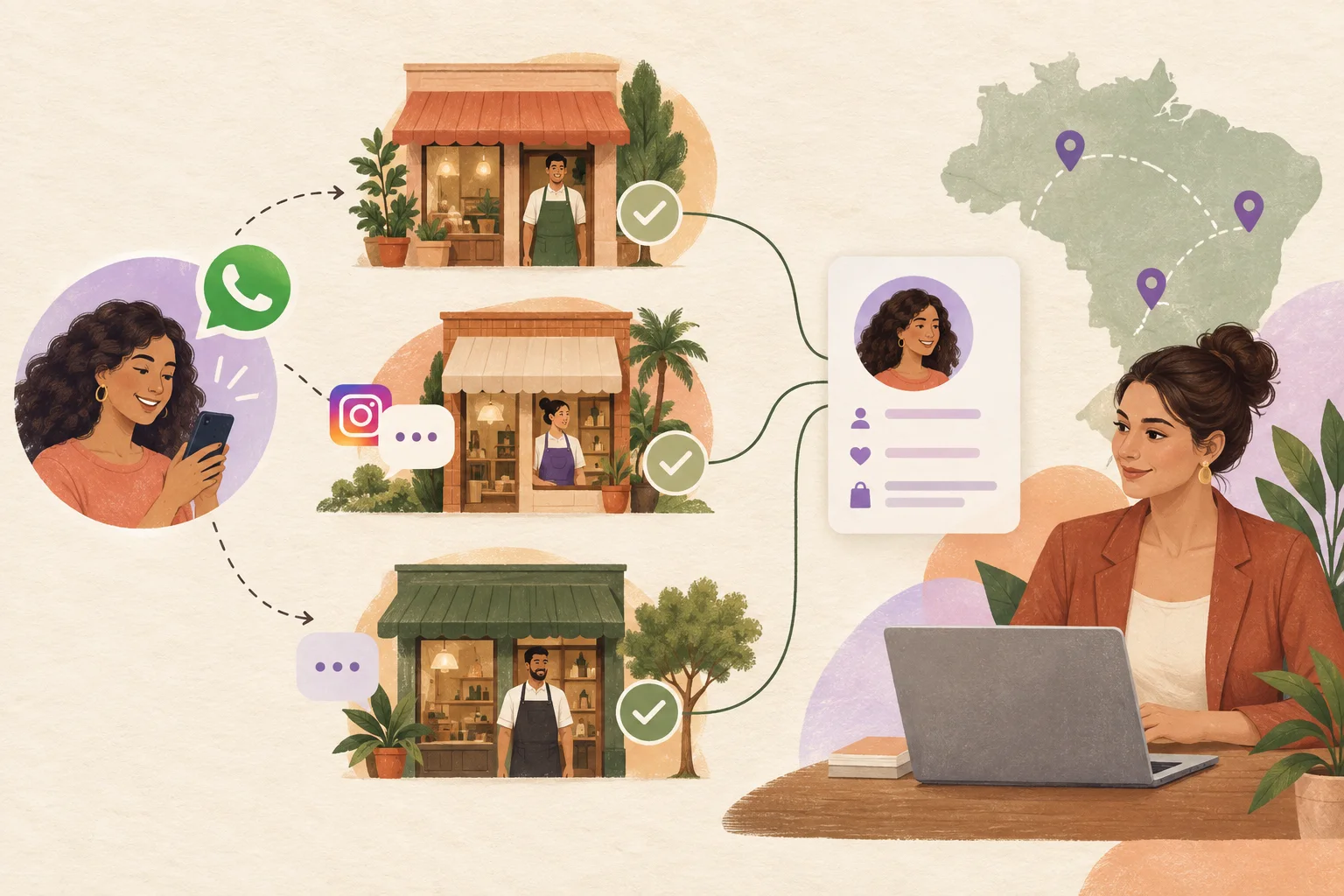
Organize franchise customer service across channels, queues, owners, history, standards, and local autonomy without losing the customer.
11 min read

Vertical playbook · Post-sale
Organize marketplace support by connecting orders, shipments, messages, claims, ownership, and next actions without losing context.
11 min read

Management · Sales operations
A practical playbook for ownership, CRM stages, follow-up, pipeline reviews, metrics, and controlled AI use in sales.
14 min read

Management · Experience
Define the question, timing, denominator, response rate, and segments so customer service CSAT supports decisions without becoming a misleading score.
12 min read

AI · Controlled pilot
Plan a customer-service AI pilot with offline tests, shadow mode, human review, go/no-go gates, monitoring, and a working rollback path.
12 min read

WhatsApp · Implementation
Implement WhatsApp Business Platform with control: account, number, webhooks, templates, queues, pilot, cutover, rollback, and evidence.
12 min read

Foundations · Identity
Unify WhatsApp, email, and Instagram profiles without mixing customers: matching rules, human review, merge, split, and audit controls.
12 min read

Management · Accountability
Define an owner, queue, acceptance, reassignment, cover, and closure rules so customer-service conversations never become ownerless.
12 min read

AI · Incident response
Contain, correct, and investigate a wrong AI customer-service answer, turn the failure into a test, and restart with operational control.
12 min read

WhatsApp · Quality and governance
Reduce WhatsApp Business restriction risk with consent, targeting, template governance, quality monitoring, and a clear incident response.
12 min read

Vertical playbook · Internet providers
A practical playbook for internet providers to organise coverage, installation, support, incidents, billing, and field visits with AI, CRM, and omnichannel service.
13 min read

Management and metrics
Calculate cost per resolved case with direct cost, technology, and transparent allocation without confusing lower cost with better service.
11 min read

Management and metrics
Create a small, stable, actionable contact-reason taxonomy by separating need, cause, stage, and outcome for better reporting and automation.
11 min read

Management and metrics
Calculate transfers per contact, separate routing, consultation, and human handoff, and improve ownership without punishing collaboration.
11 min read

Management and metrics
Define repeat contact, case reopen, and contacts per case with stable cohorts and windows to find fragile resolutions without blaming agents.
11 min read

Management and metrics
Build a customer service dashboard with a small set of indicators, stable definitions, useful segments, and a decision cadence.
11 min read

Vertical playbook · Education
A practical playbook for schools and education centres to organise enquiries, admissions, documents and family support with AI, CRM and omnichannel service.
13 min read

Implementation · Resilience
Prepare detection, priority, alternative channels, a manual queue, communication, recovery, and review for customer service outages.
12 min

Management · Governance
Design roles, least privilege, separation of duties, access reviews, and useful logs for a shared customer service inbox.
12 min

Management · Quality
Build a quality scorecard with observable criteria, weights, critical failures, sampling, calibration, coaching, and process improvement.
12 min

Management · Capacity
Plan staffing with interval volume, work time, concurrency, occupancy, skill coverage, breaks, and a documented contingency buffer.
12 min

AI · Strategy
Compare support and sales AI by goal, sources, actions, risk, handoff, and measurement before asking one agent to do everything.
11 min

AI · Guardrails
Define scope, evidence, confidence levels, stop conditions, fallback, and human oversight for AI-assisted customer service.
12 min

WhatsApp · Technical operations
Understand webhooks, IDs, message events, sent, delivered, read, and failed statuses, plus idempotency, monitoring, and reconciliation.
12 min

WhatsApp · Consent
Organize consent, message categories, opt-in evidence, preferences, and opt-out handling without surprising customers on WhatsApp.
11 min

Foundations · Journey
Map stages, channels, intent, context, ownership, friction, and outcomes without confusing touchpoints with the service process.
11 min

Implementation · Omnichannel
Migrate channels into an omnichannel operation with inventory, pilots, identity, queues, contingency, and end-to-end validation.
12 min

Vertical playbook
Organize maintenance, amenities, incidents, ownership, and human handoff with privacy controls.
12 min·New guide

Vertical playbook
Connect documents, periods, deadlines, owners, and evidence without delegating professional decisions.
12 min·New guide

Vertical playbook
Connect reservations, pre-arrival, check-in, guest requests, and incidents to hotel operations.
11 min·New guide
Vertical playbook
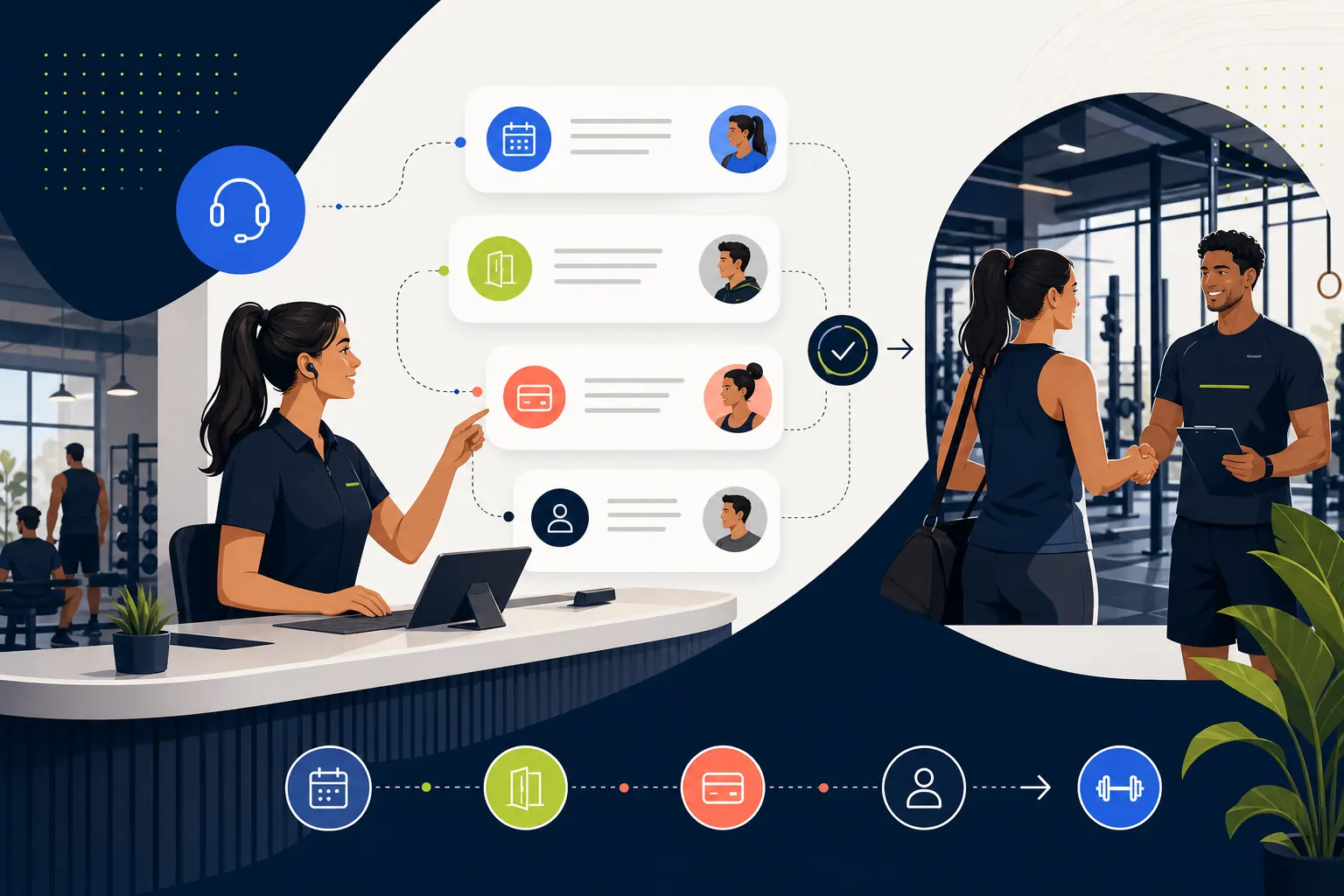
Structure trials, memberships, schedules, access, billing, and qualified handoff.
11 min·New guide

Vertical playbook
Use AI and CRM to organise briefs, meetings, proposals, owners, and project follow-up.
13 min·New guide

Vertical playbook
Use AI and CRM to qualify leads, organise viewings, follow up, and hand off to brokers.
13 min·Expanded guide
Vertical playbook
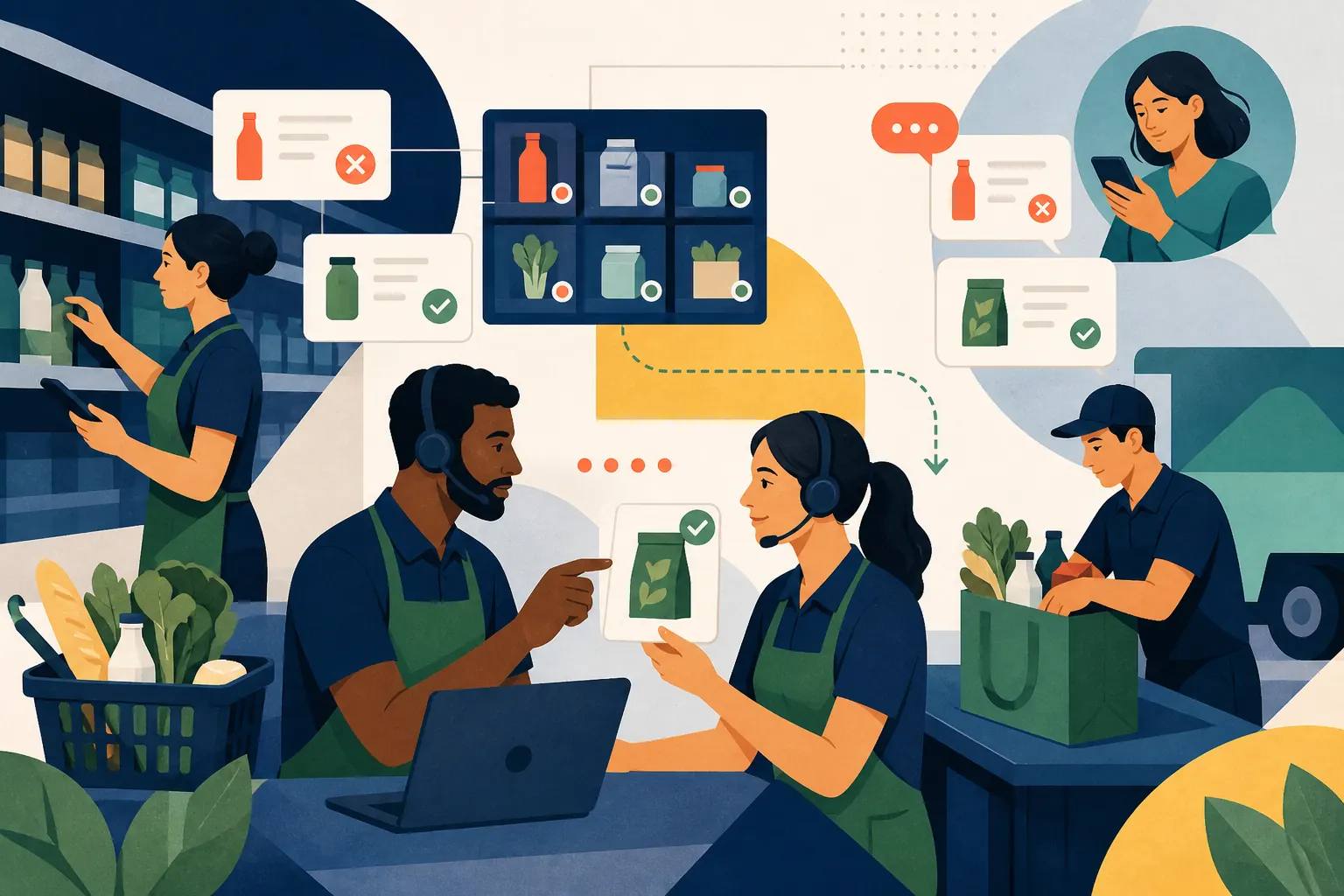
Organise availability, approved substitutions, pickup, delivery, and store-level incidents.
10 min·New guide

Vertical playbook
Separate stock and fulfilment from pharmacist guidance, health data, and exceptions.
10 min·New guide

Vertical playbook
Connect reservations, orders, pickup, delivery, menu questions, and incidents to operations.
10 min·New guide

Vertical playbook
Use AI and CRM to organise scheduling, reminders, queues, context, and human handoff.
13 min·Expanded guide
Evaluation checklist
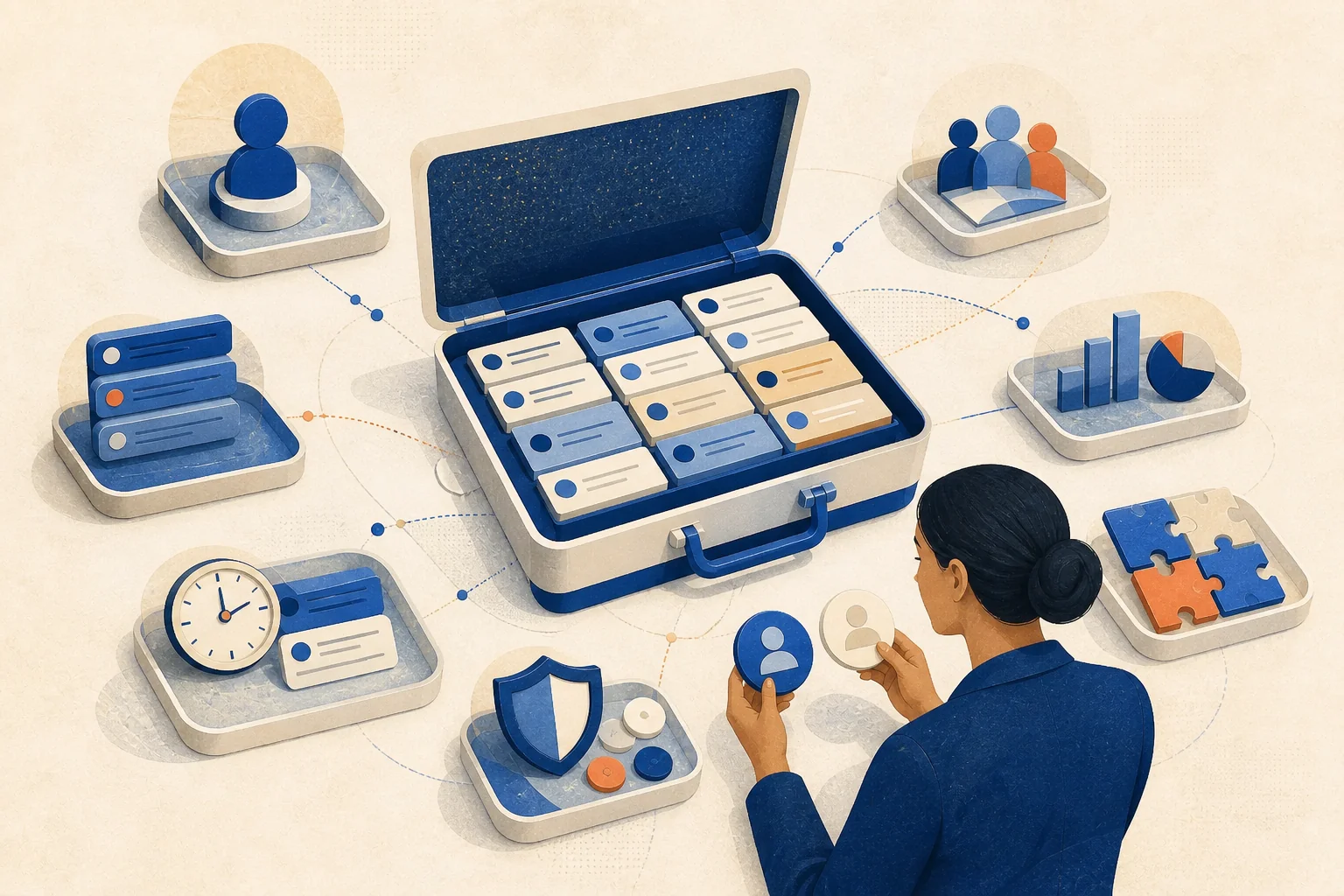
Evaluate ownership, queueing, history, permissions, collaboration, reporting, and integrations before adopting a shared inbox.
10 min·New guide

WhatsApp for teams
Route WhatsApp to sales, support, and billing without trapping customers in menus or losing ownership.
10 min·New guide
AI with control
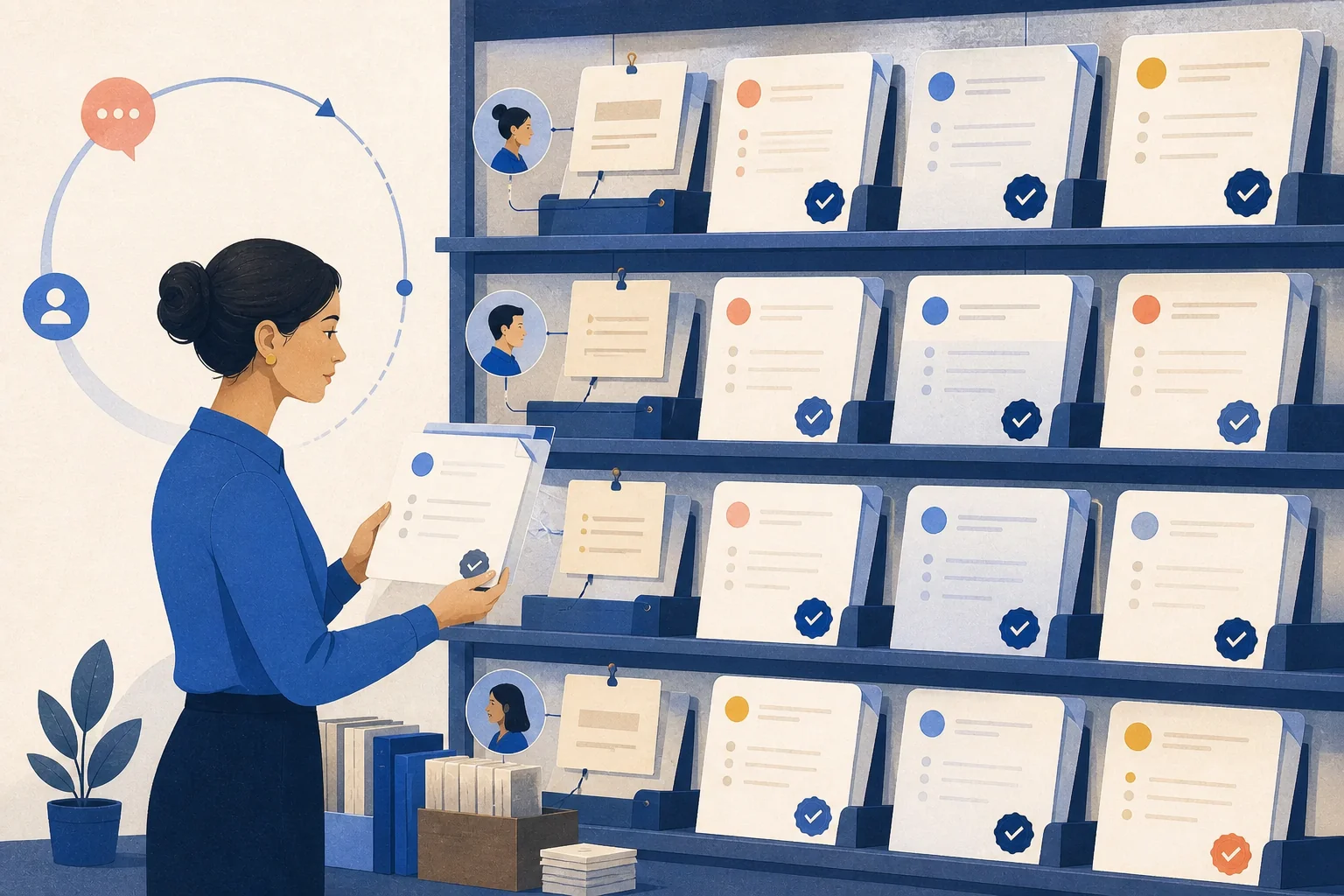
Prepare support content with ownership, scope, versions, examples, exceptions, and review before connecting AI.
10 min·New guide

Management and metrics
Calculate first response time with defined start, public reply, business hours, channel, and median rules.
10 min·New guide
WhatsApp Business Platform
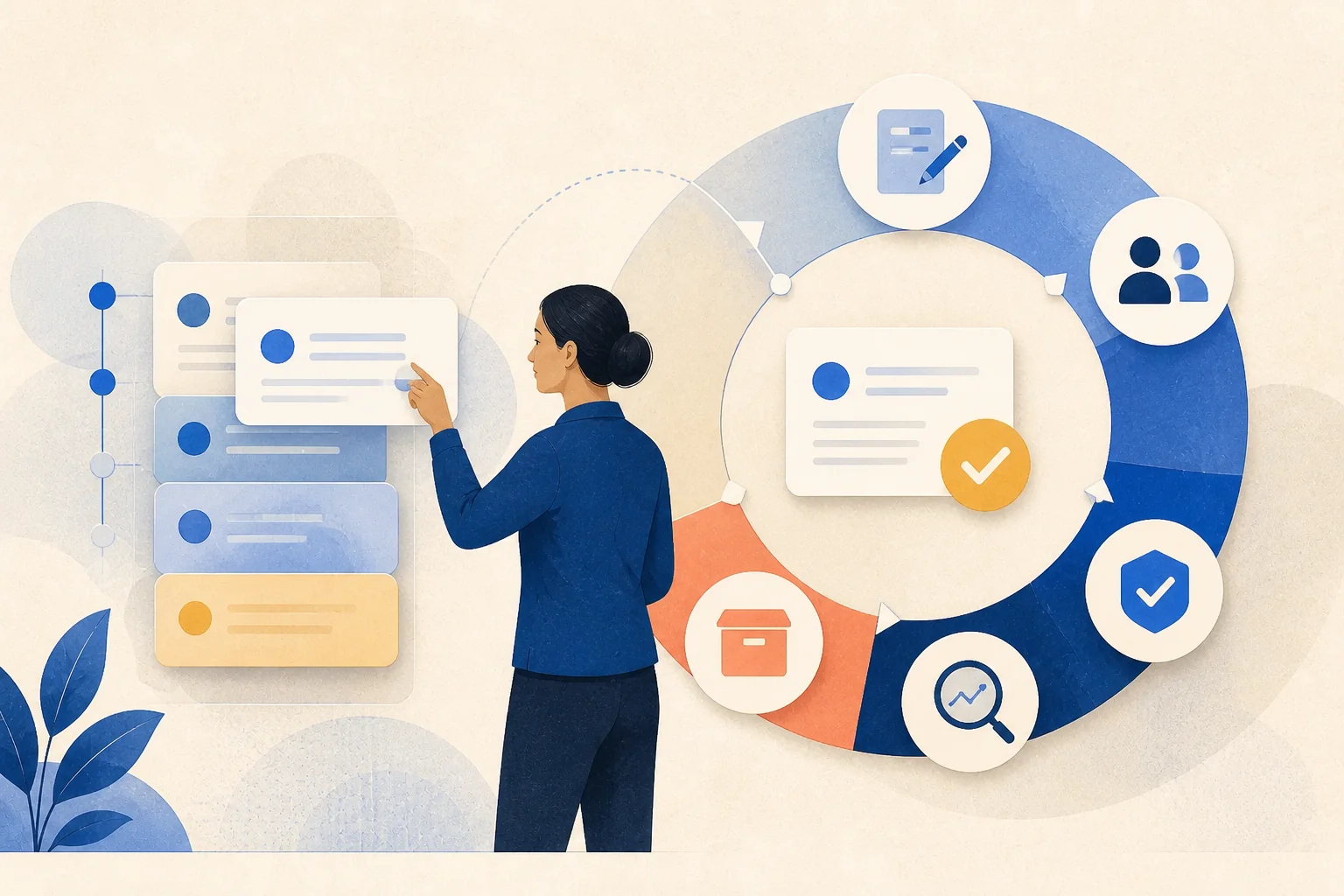
Govern purpose, category, consent, variables, approval, versions, quality, and retirement for WhatsApp templates.
10 min·New guide
Vertical playbook
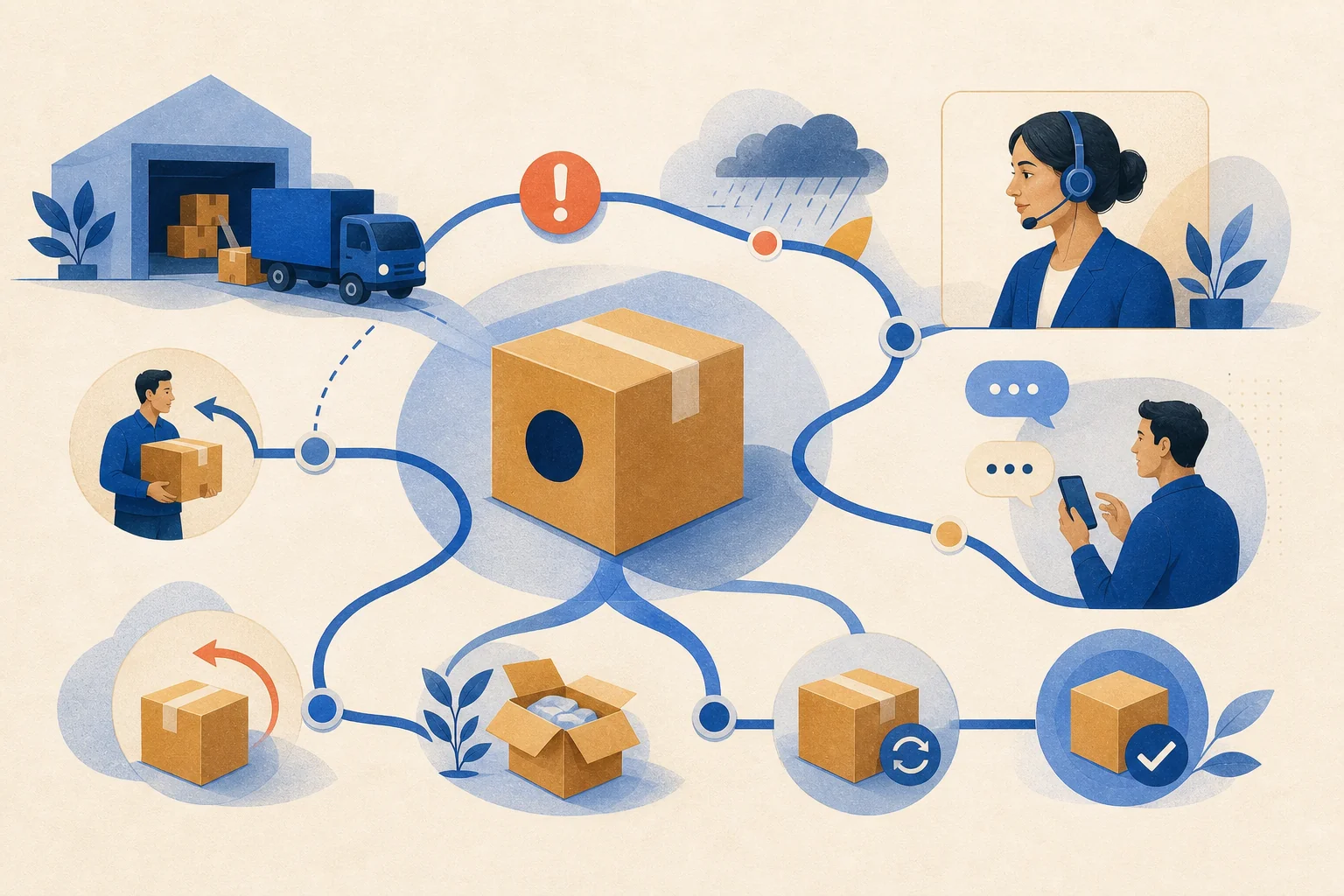
Organize ecommerce support by order state, minimum data, allowed actions, communication, and escalation.
10 min·New guide

Queue management
Prioritise backlog by risk, commitment, age, dependency, and next-action value with visible, auditable queue rules.
10 min·New guide

Omnichannel operations
Turn Instagram DMs into a service queue with triage, ownership, context, transfer, and follow-up.
10 min·New guide

AI with human control
Design AI-to-human handoff with triggers, summaries, queues, priority, confirmation, and failure recovery.
10 min·New guide

Operations assessment
Audit intake, queues, ownership, knowledge, permissions, metrics, automation, and improvement without producing an empty report.
10 min·New guide

AI · Quality and governance
A practical scorecard for reviewing outcomes, evidence, risk, transparency, and human handoff.
12 min read
WhatsApp · Team playbook
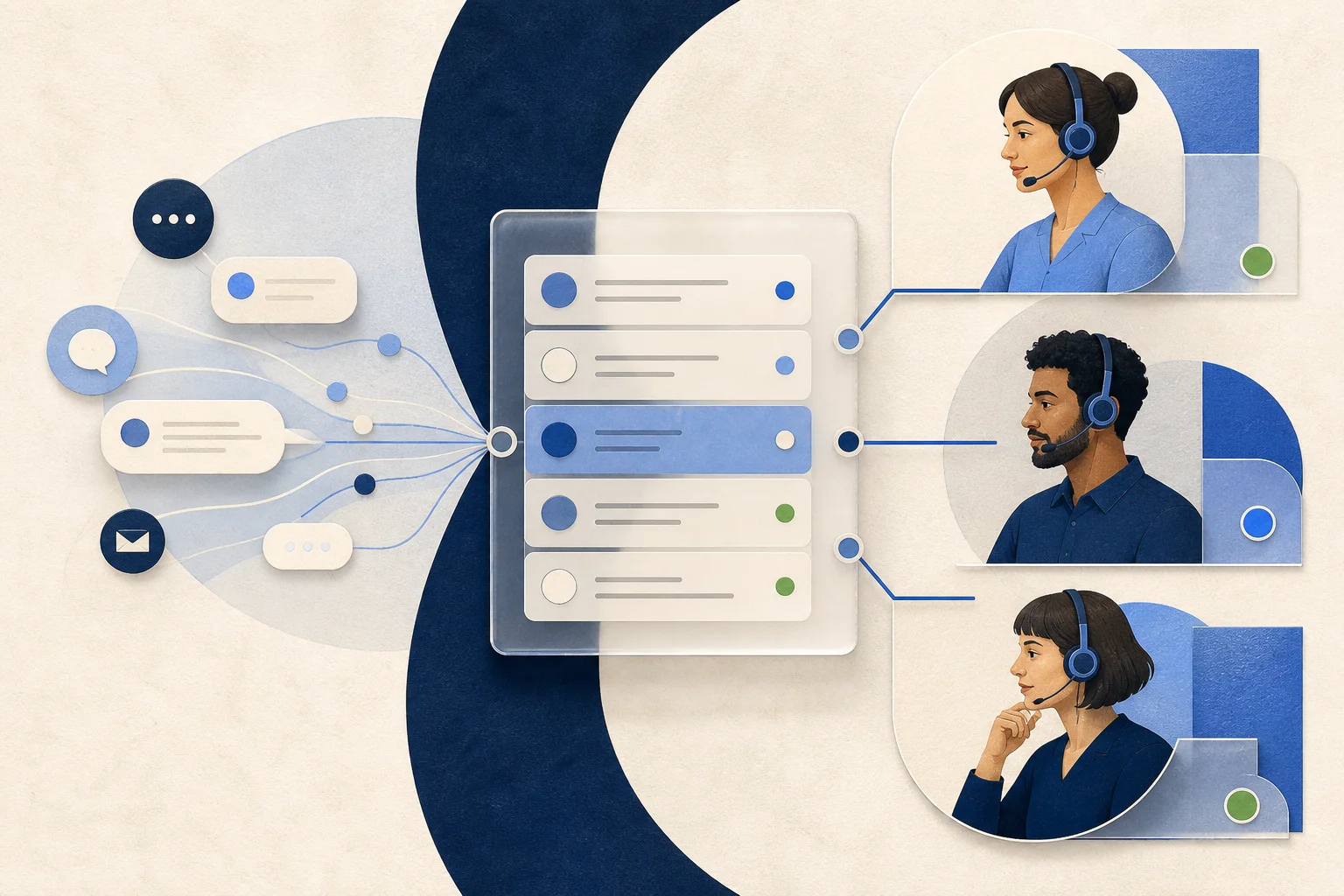
The queue, ownership, history, transfer, and reporting practices that turn WhatsApp into a manageable team channel.
10 min read
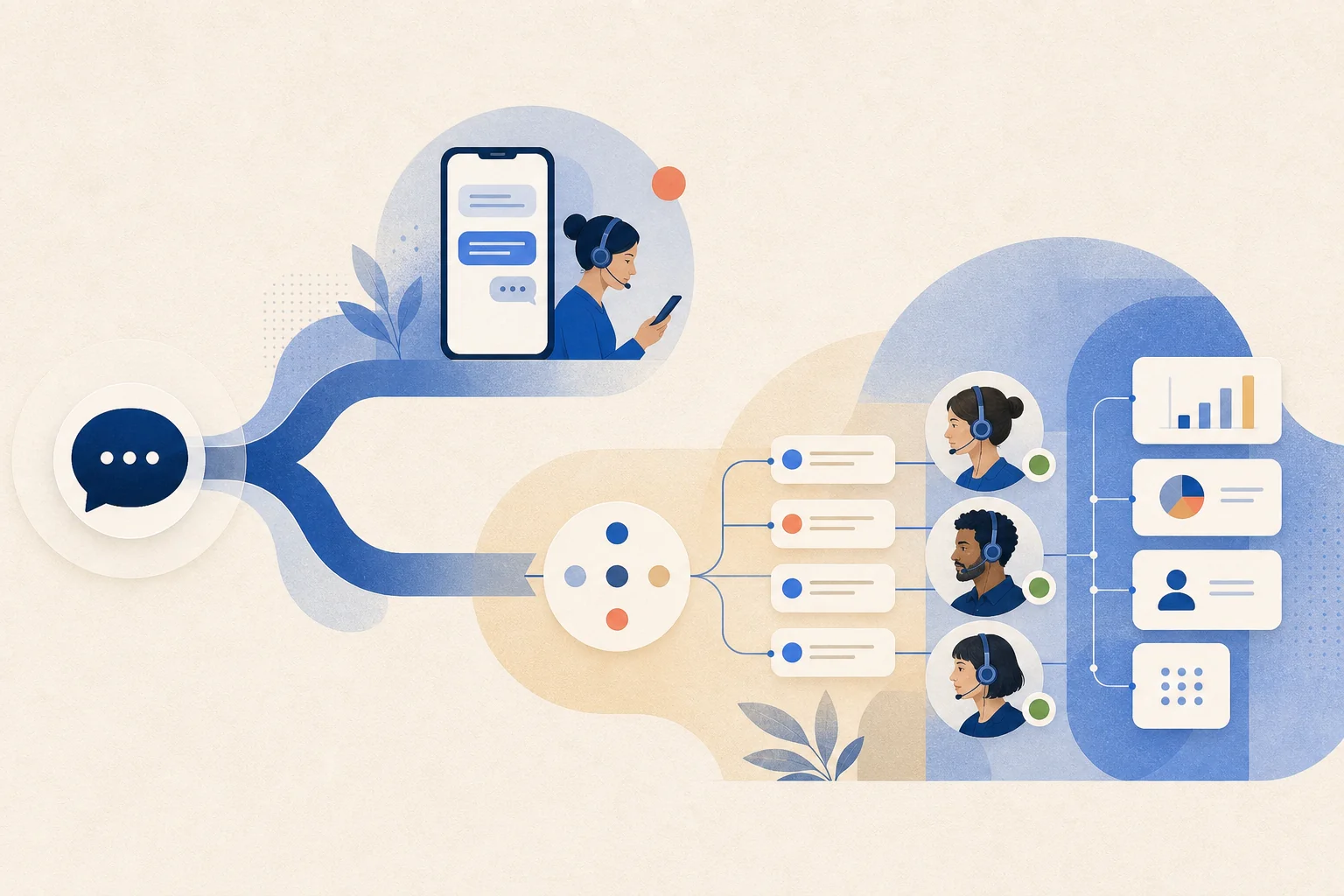
WhatsApp · Decision guide
Compare team access, automation, templates, integrations, governance, and implementation before choosing a WhatsApp setup.
9 min read

AI · AI operating model
A practical framework for using AI on repetitive work while preserving human judgment, empathy, approval, and context.
11 min read

Operations · Operations glossary
Understand response time, SLA, average handle time, first contact resolution, CSAT, and backlog without letting averages hide customer pain.
8 min read

Operations · Migration plan
A phased migration plan for bringing messaging channels into one shared inbox without losing history, ownership, or productivity.
9 min read